Art
Inspiring Creativity and Confidence
At Pear Tree Mead, art is taught by using a creative, skills-based, and exploratory pedagogy as we want every child to discover the joy of being creative. Our Art curriculum is designed to build confidence, spark imagination, and help children express their ideas in meaningful ways. We encourage pupils to experiment, take creative risks, and understand that mistakes are part of the learning process. By developing a growth mindset, children learn to celebrate their progress and feel proud of what they create.
An Inclusive Curriculum for All Learners
Our Art curriculum is fully inclusive and thoughtfully designed to ensure every child can access, enjoy, and succeed in art. We value and celebrate the diverse abilities, backgrounds, and experiences of our pupils, ensuring lessons are adaptable and responsive to individual needs. Through a wide range of materials, techniques, and approaches, all children—including those with SEND, EAL learners, and those with different learning styles—are supported to express themselves and participate meaningfully. We actively promote representation in the artists and cultures we study, helping every child feel seen, respected, and inspired. By removing barriers and offering choice, we ensure that art remains a welcoming and empowering subject for all.
A Progressive, Skills-Based Journey
From the Early Years Foundation Stage all the way to Year 6, children follow a carefully sequenced Art curriculum that develops skills step by step. They revisit and build on key techniques—such as drawing, painting, sculpture, and digital art—so that their knowledge deepens over time. This approach helps pupils master important skills and remember what they’ve learnt.
Learning Through Artists and Cultures
Art lessons are enriched by exploring the work of artists, designers, and craft makers from a wide range of times, places, and cultures. By seeing how art reflects the world and influences society, children gain a deeper appreciation of its role throughout history and in modern life. These experiences broaden their cultural understanding and inspire them to create artwork that reflects their own ideas and perspectives.
Encouraging Exploration and Personal Expression
Our teaching blends clear skills instruction with opportunities for children to explore, ask questions, and express themselves. At the end of each unit, each child produces a personal “masterpiece” that showcases their artistic journey based on the artist and skills they have learnt about. These pieces are proudly displayed around the school and shared with our community, celebrating every child’s creativity and achievement.
Developing Lifelong Artists and Thinkers
Through our Art curriculum, we aim to nurture confident, thoughtful, and independent learners who see themselves as artists. We believe creativity plays an essential role in education—supporting not just artistic skills but also problem-solving, resilience, and emotional well-being.
Early Years Art
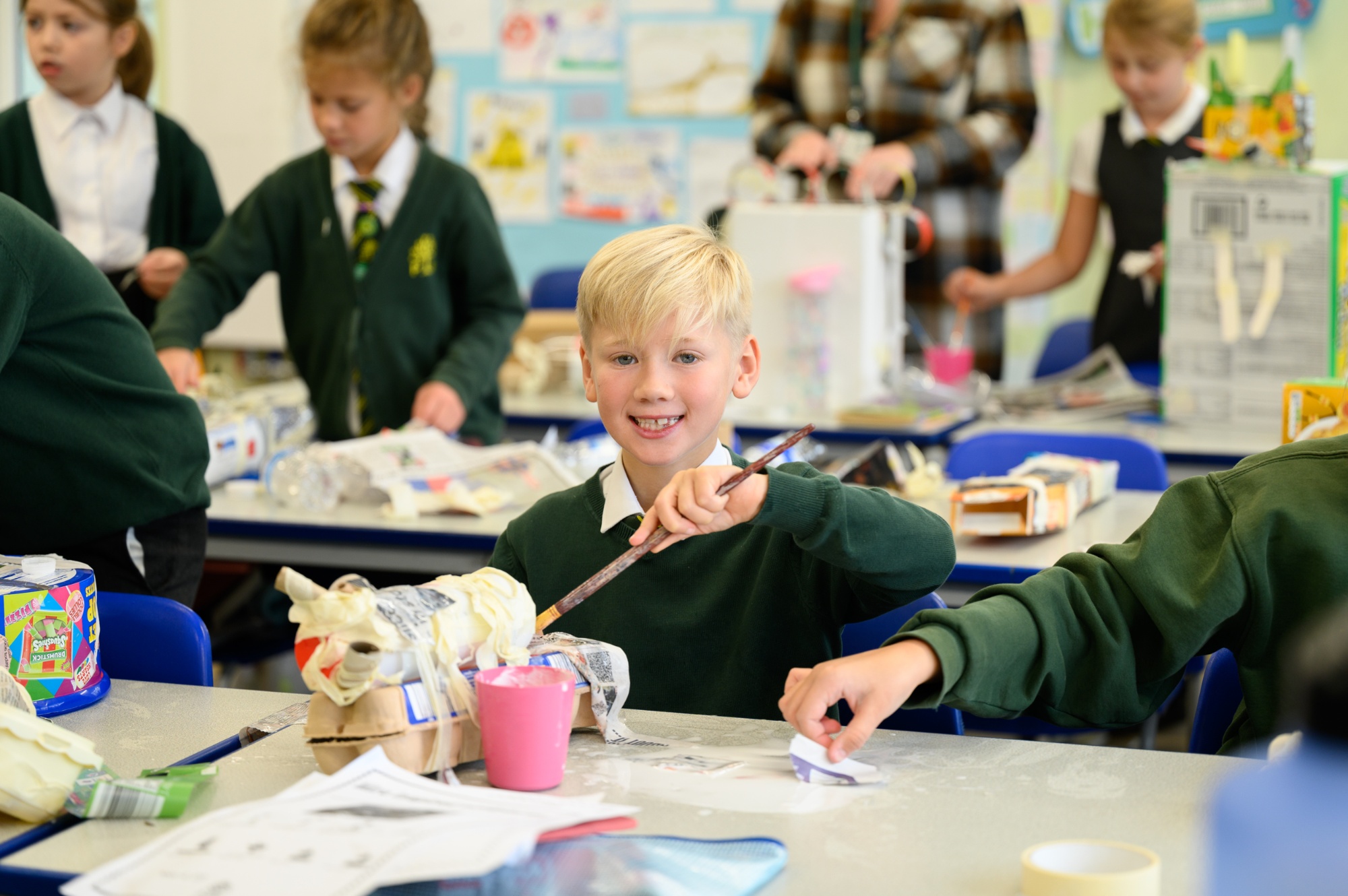
During the Early Years Foundation Stage, children experience a variety of experimental activities which allows them to use a range of materials and tools to prepare them for progression into Key Stage 1. This focussed on creativity and underpinning some fundamental fine motor control.
Key Stage 1 Art
Year 1:
Andy Goldsworthy (English, Transient art)
Year 2:
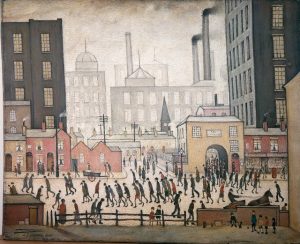
L.S Lowry (English, painting, drawing)
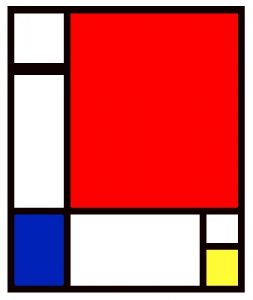
Piet Mondrian (Dutch, abstract, painting, geometric art)
Tinga Tinga African Art
Key Stage 2 Art
Year 3:
Andy Warhol (American, printmaking, pop art)
William Turner (Romanticism, print maker and watercolours)
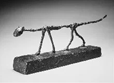
Alberto Giocametti (Switzerland, sculpture, surrealism, cubism, expressionism)
Year 4
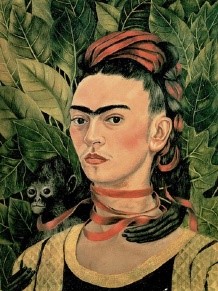
Frida Kahlo (Portraits)
L.S Lowry (Urban landscapes)
Joan Miro (Spanish, abstract painter, sculpture)
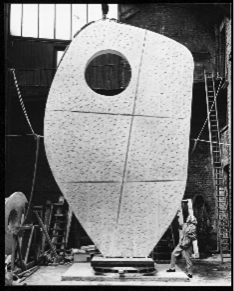
Barbara Hepworth (Sculpture)
Henry Moore
William Morris
Year 5
Michelangelo (Italian, renaissance, sculpture and painter)
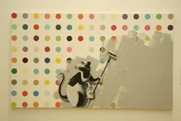
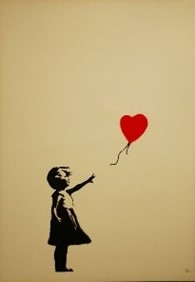
Banksy
Year 6
Damien Hirst (conceptual and sculpture, English, richest English artist)
Banksy (English, graffiti, street)